Art Leaves Its Mark
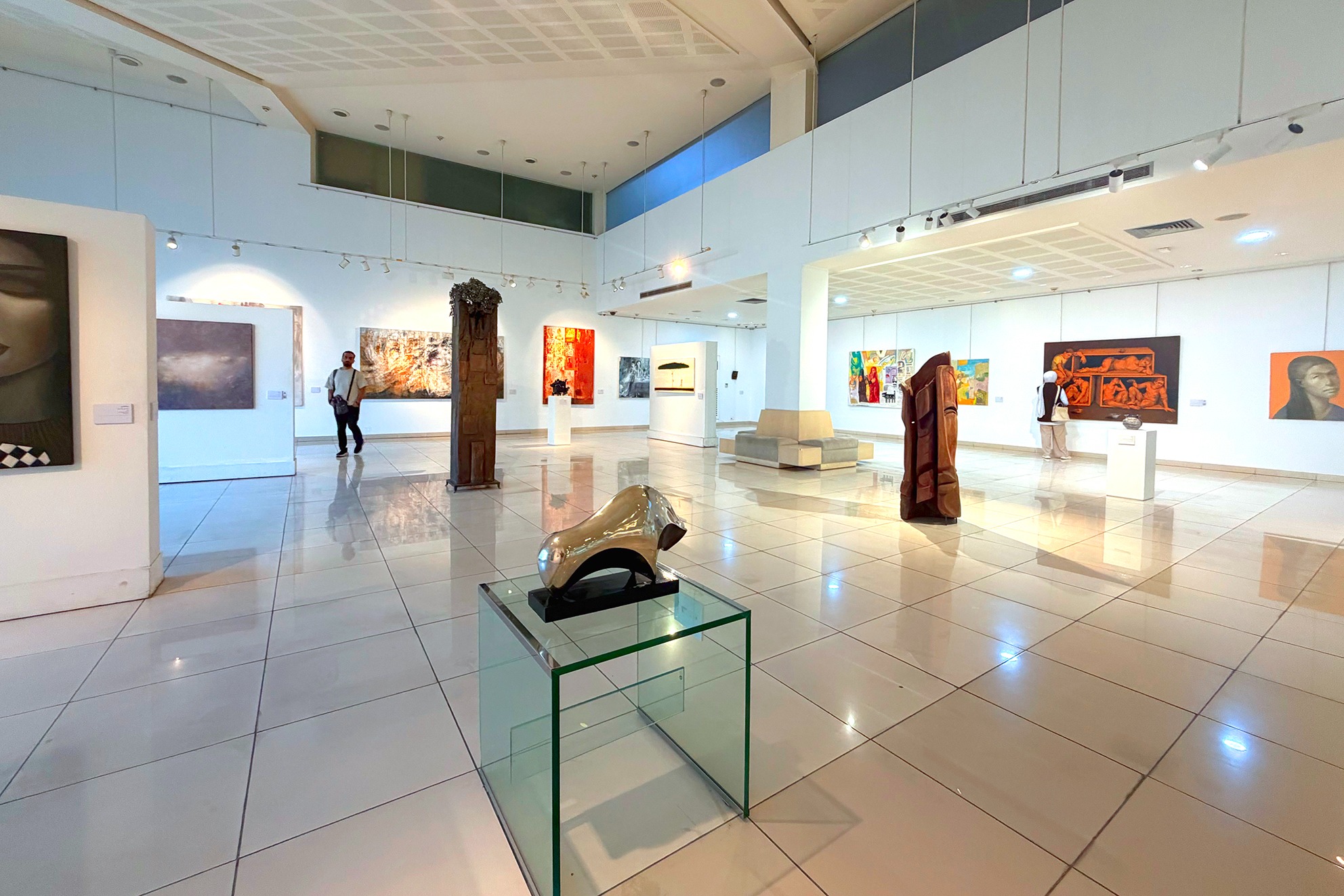
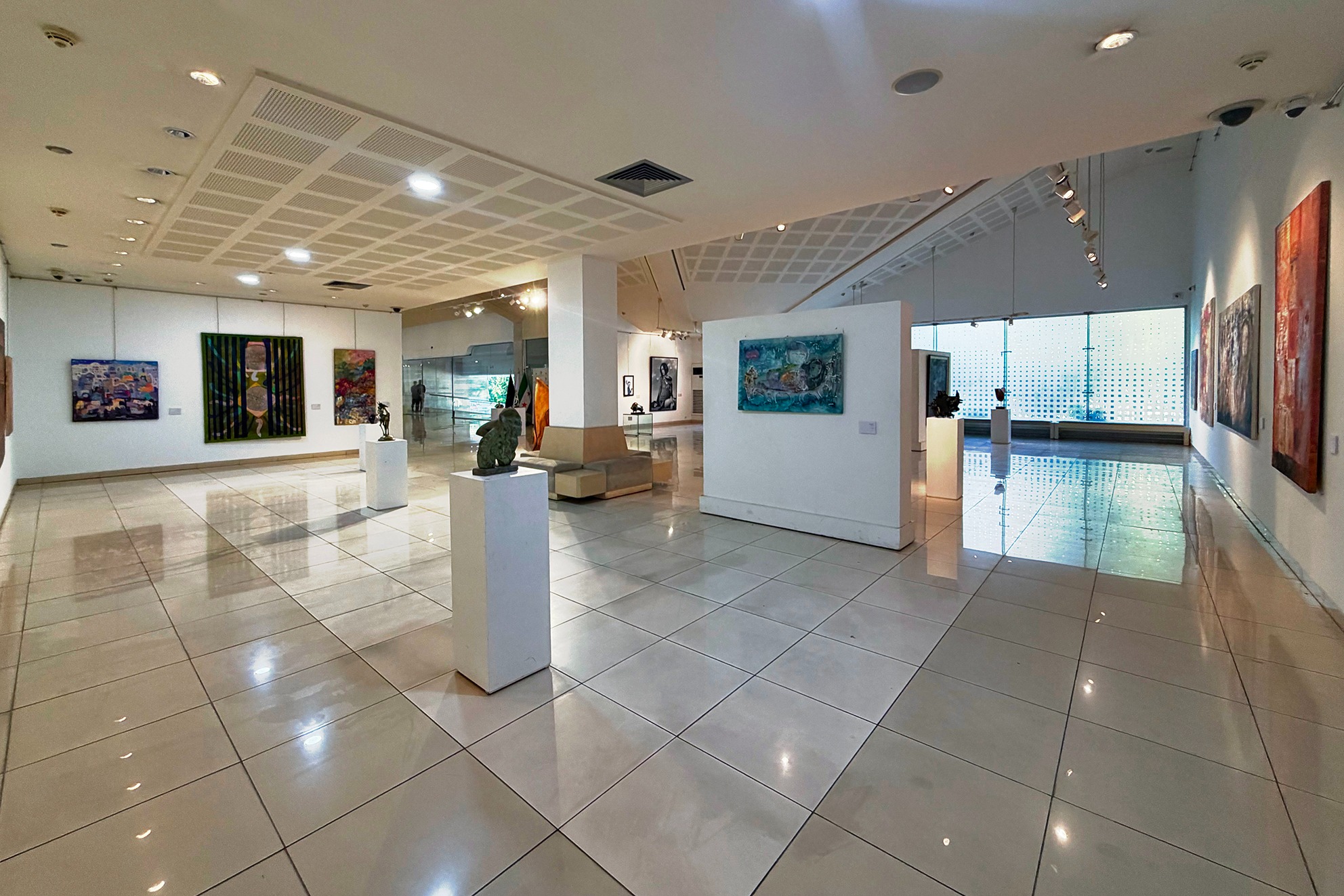
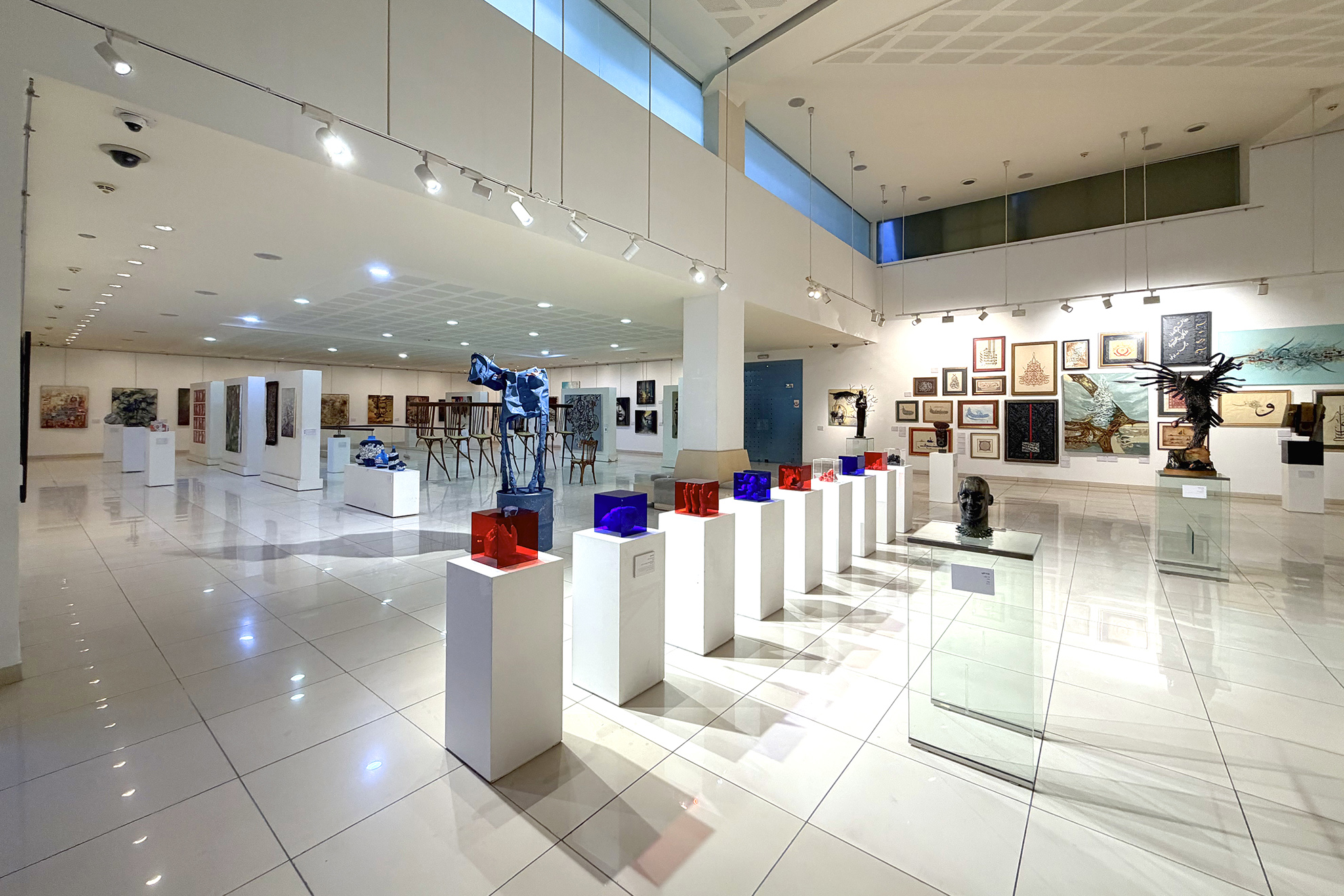
Between the image imposed by dictatorship and the image of catastrophe circulated internationally, Syrian art has often been asked to prove either loyalty or pain. Art Leaves Its Mark brings together different artistic trajectories without requiring them to form a single portrait of Syria. It opens a space for works to carry history without having to explain it, to approach catastrophe or keep their distance, to experiment with form, material, colour and ambiguity. Here, the mark is both what time leaves upon a work and what the work leaves upon its time: an opening for what could not, until now, appear.
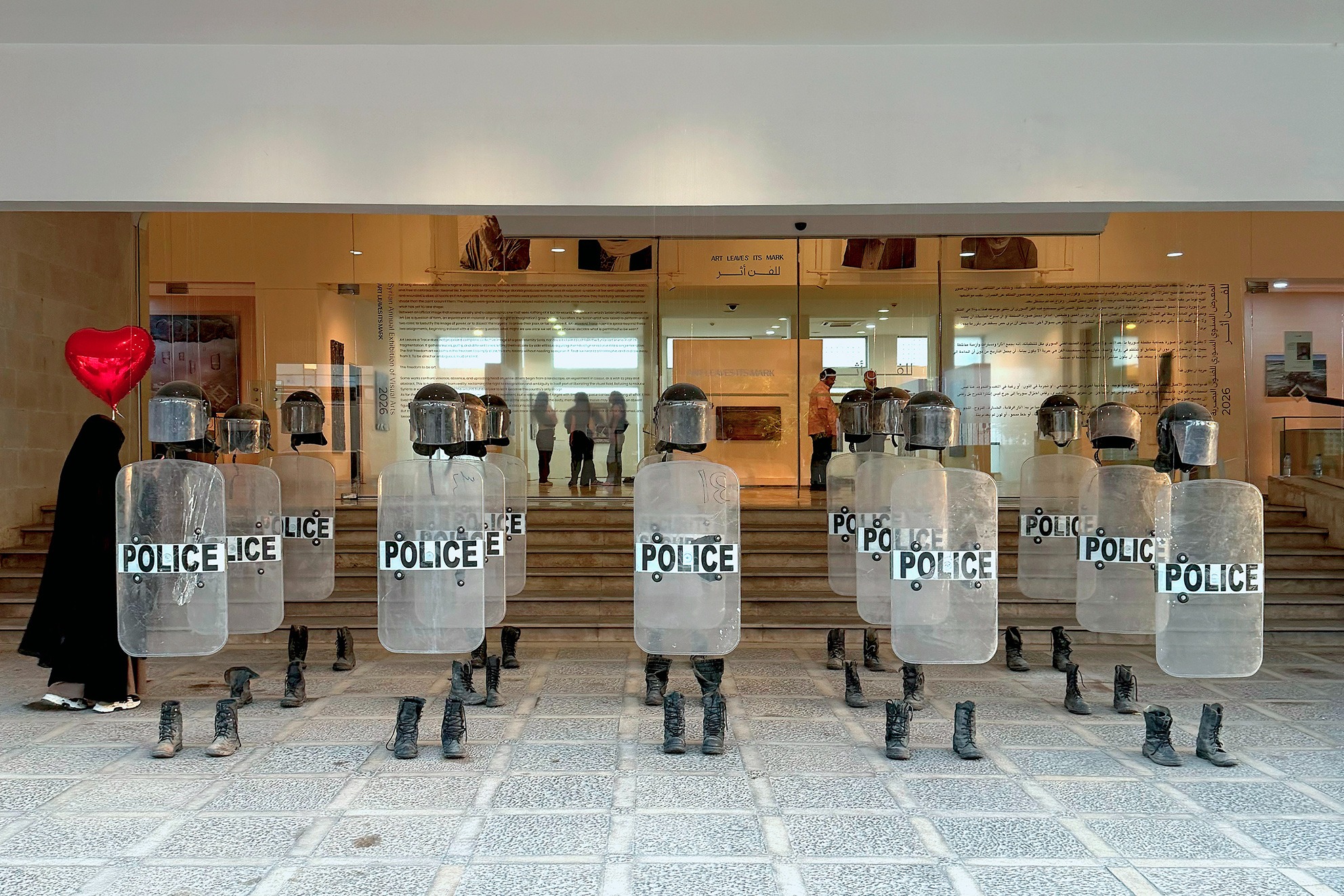
Photograph: Khaled Barakeh
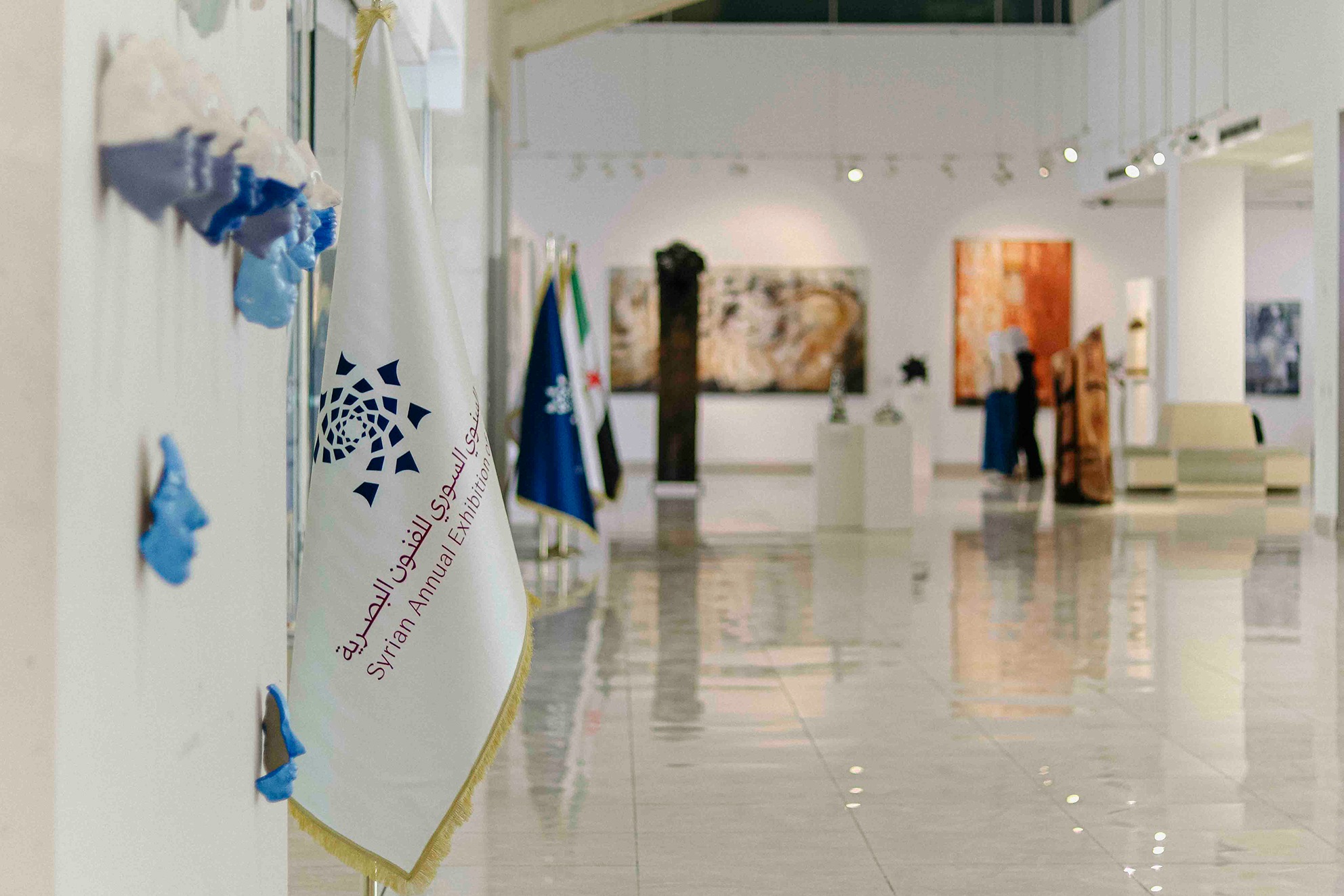
Photograph: Jawad Allazkani
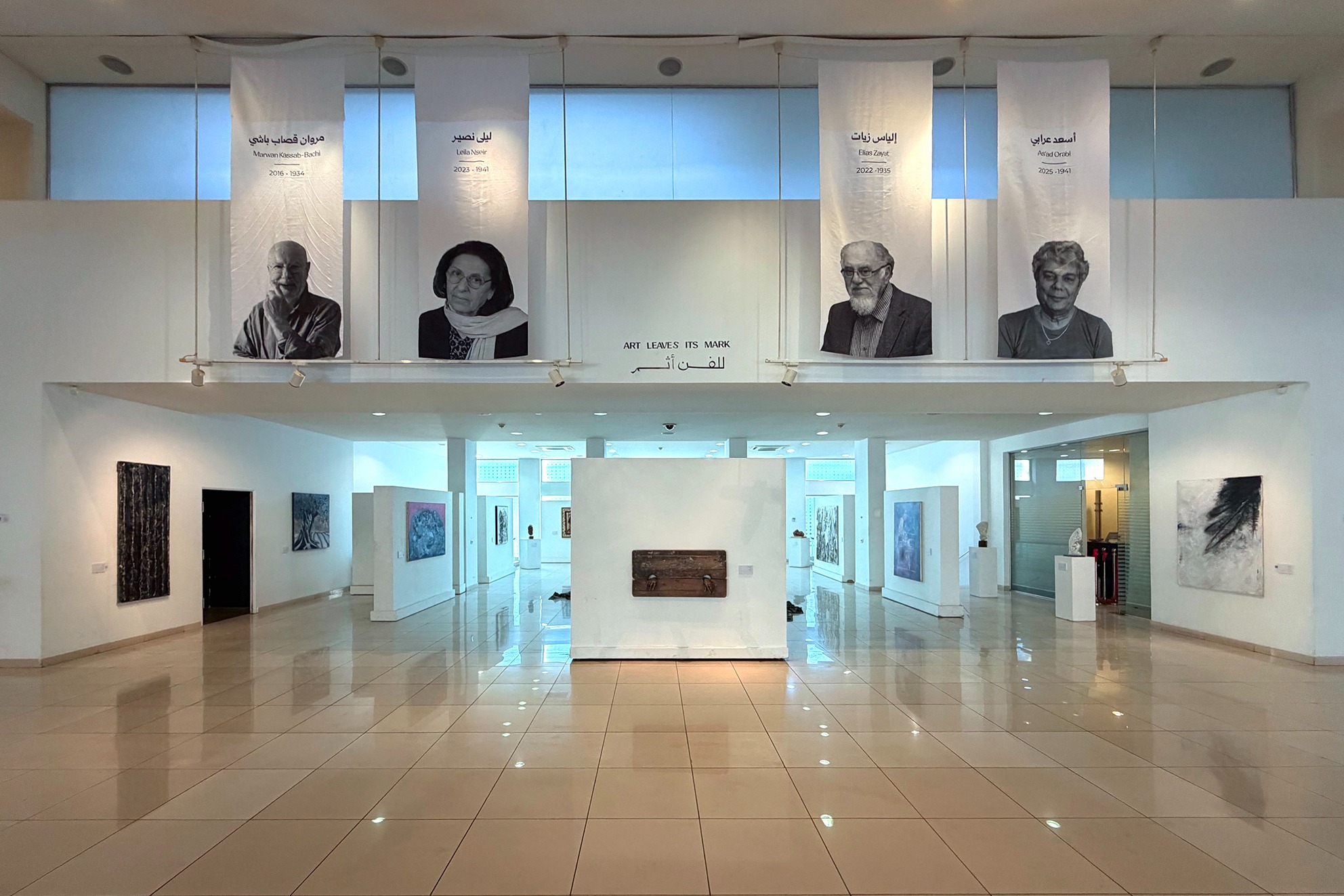
Photograph: Khaled Barakeh
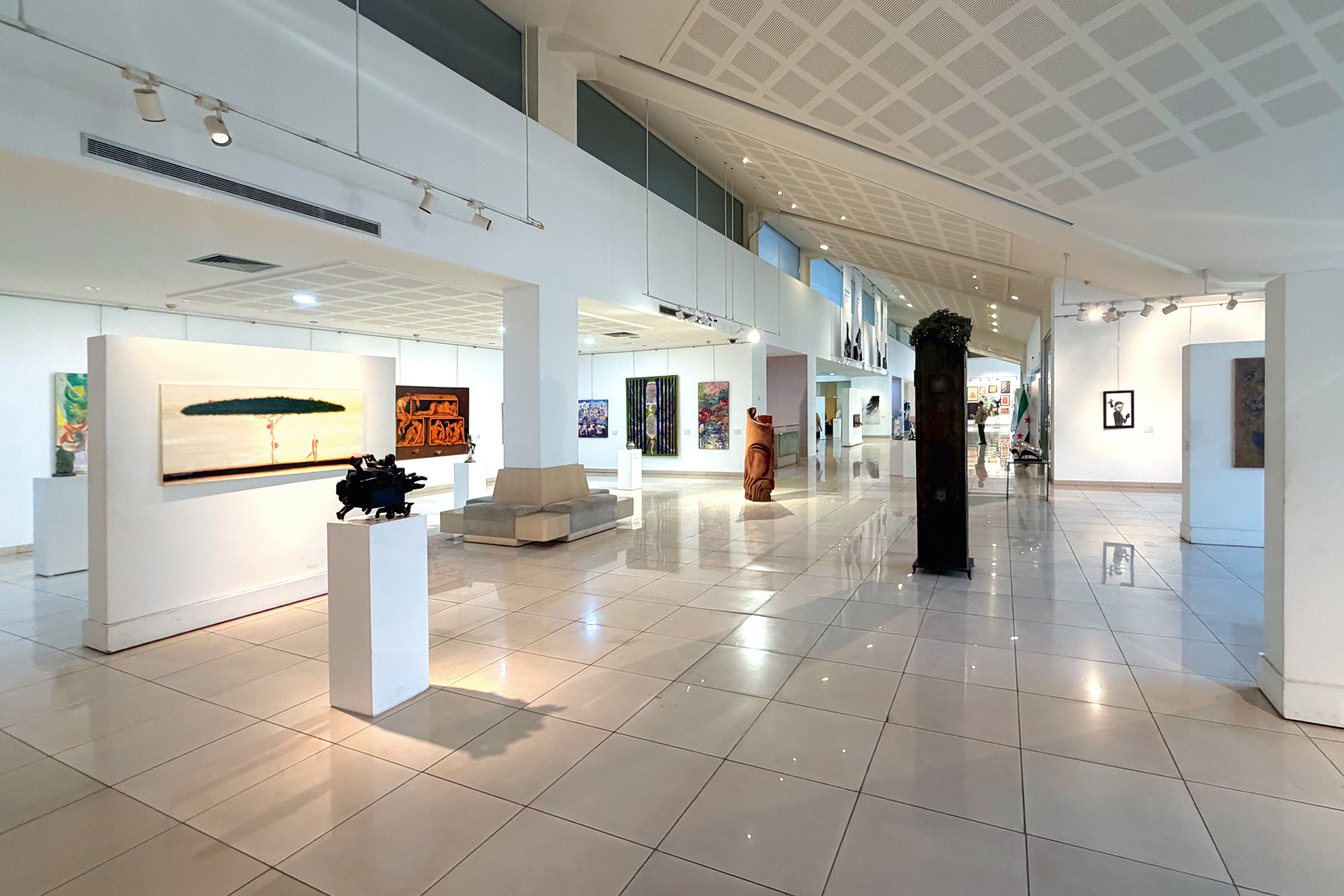
Photograph: Khaled Barakeh
Photograph: Khaled Barakeh
Photograph: Khaled Barakeh
Photograph: Khaled Barakeh
Photograph: Jawad Allazkani
Curatorial statement
For decades, the dictatorship filled public squares, schools and institutions with a single face, presenting an image of the country as homogeneous, static and free of contradiction. International news coverage of Syria produced another reductive image: a country of fire and rubble, human remains and wounded bodies, boats and refugee tents. When portraits of the ruler were taken down, the patches of wall beneath them remained paler than the surrounding paint. The portraits were gone, but the spaces they had occupied remained visible: a mark of what had claimed the wall, and a void for what had yet to take shape.
Between an official image that erases society and an image of catastrophe that sees only its wound, the space in which Syrian art could appear as art grew narrower: as an inquiry into form, an experiment with material, a right to imagination. Syrian artists were often asked to fulfil one of two roles: to embellish the image of power or to dissect the tragedy. To prove their loyalty or prove their pain. Art Leaves Its Mark opens a space beyond these two demands, beginning with a different question: what might we see when the one who decides what may be seen falls from power?
Art Leaves Its Mark does not propose a complete collective portrait of Syria after “eternity”, nor does it claim to encompass the Syrian art scene in all its fragmentation. It brings together different marks, trajectories and temporalities, allowing them to exist alongside one another without having to coincide or fit within a single narrative. The first freedom art reclaims is the freedom not to be a statement: to carry history without having to explain it. To draw close to catastrophe or keep its distance. To be direct or ambiguous, loud or silent.
The freedom simply to be art.
Some works may address violence, absence and uprooting, while others begin with a landscape, an experiment in colour, or a desire for play and abstraction. This is no retreat from reality: reclaiming the right to imagination and ambiguity is also part of freeing the visual field. Refusing to reduce Syria to a wound does not deny the wound; it refuses to let that wound become the country’s only image.
The mark, in this exhibition, is not a subject represented by the works, but a relationship art establishes with time. Each work carries something of what it has been through: marks of censorship, loss, displacement and refuge; marks of the studio, the home, the body and memory. These marks may appear in an absent body, an incomplete image, fractured material, an erased line, or a colour that is no longer innocent.
Yet the work does not simply bear the imprint of time; it also leaves its own mark upon it. Art then becomes not a mirror of what has happened, but a space for what could not, until now, appear.