Pharmakon State
"Pharmakon State" is a community project and artistic forum, a visual, political, and social deconstruction of the complex relationship between war, drug trafficking, and the use of addiction as a tool of oppression and control.
In 1961, Captagon was first manufactured in Germany as a medical treatment, but was quickly banned worldwide due to its severe side effects, ranging from hallucinations and aggressive behaviour to severe addiction. In the last decade, Syria, under the Assad dictatorship, has transformed into a global drug empire, using Captagon as a stimulant for wartime economies, a source of funding for militias, and a means of numbing soldiers and prolonging their fighting ability. While massive shipments were smuggled across borders, the same regime criminalised its use within the country, imprisoning citizens and subjecting them to brutal torture for consuming the same substance it exported by the millions.
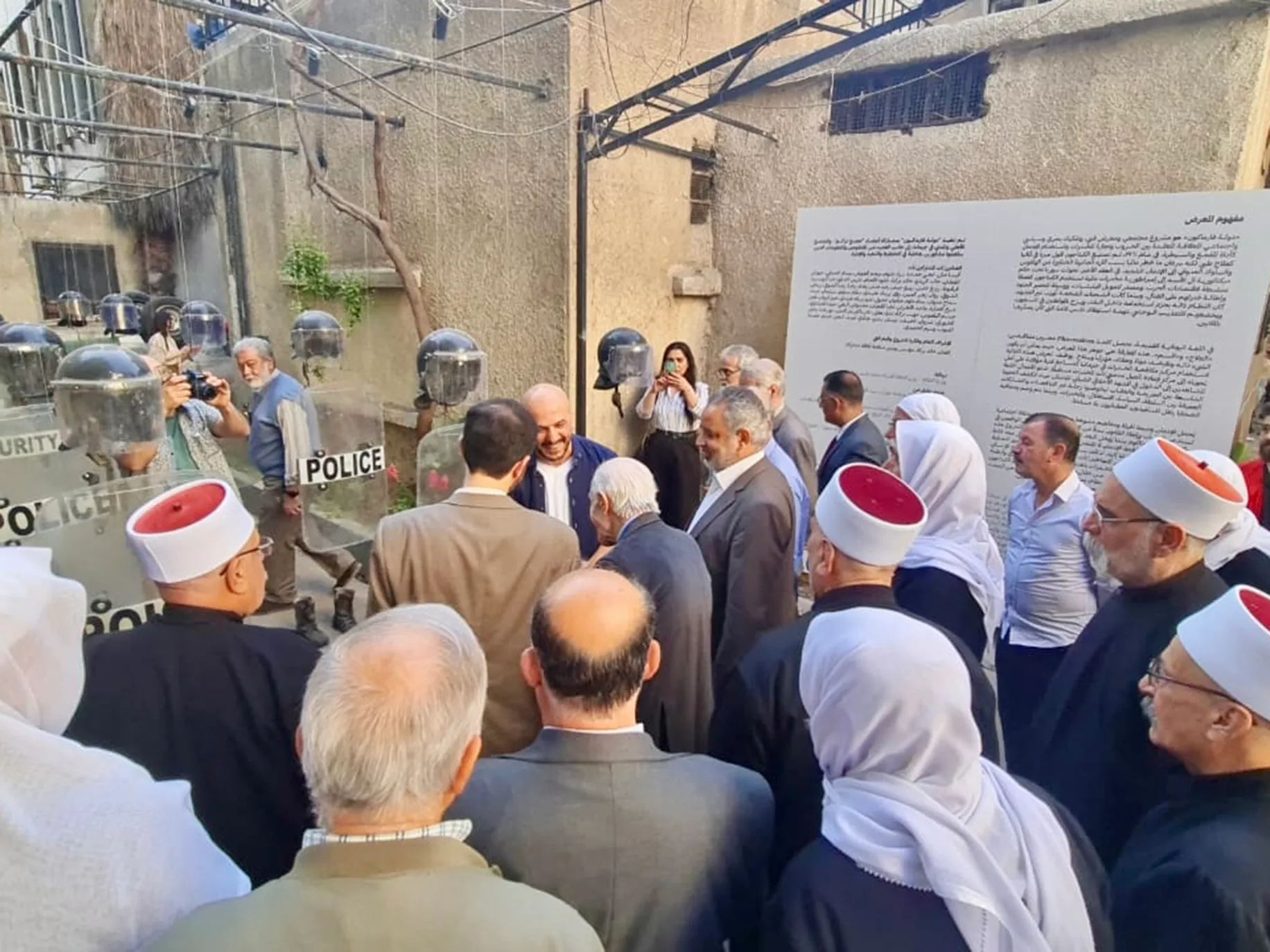
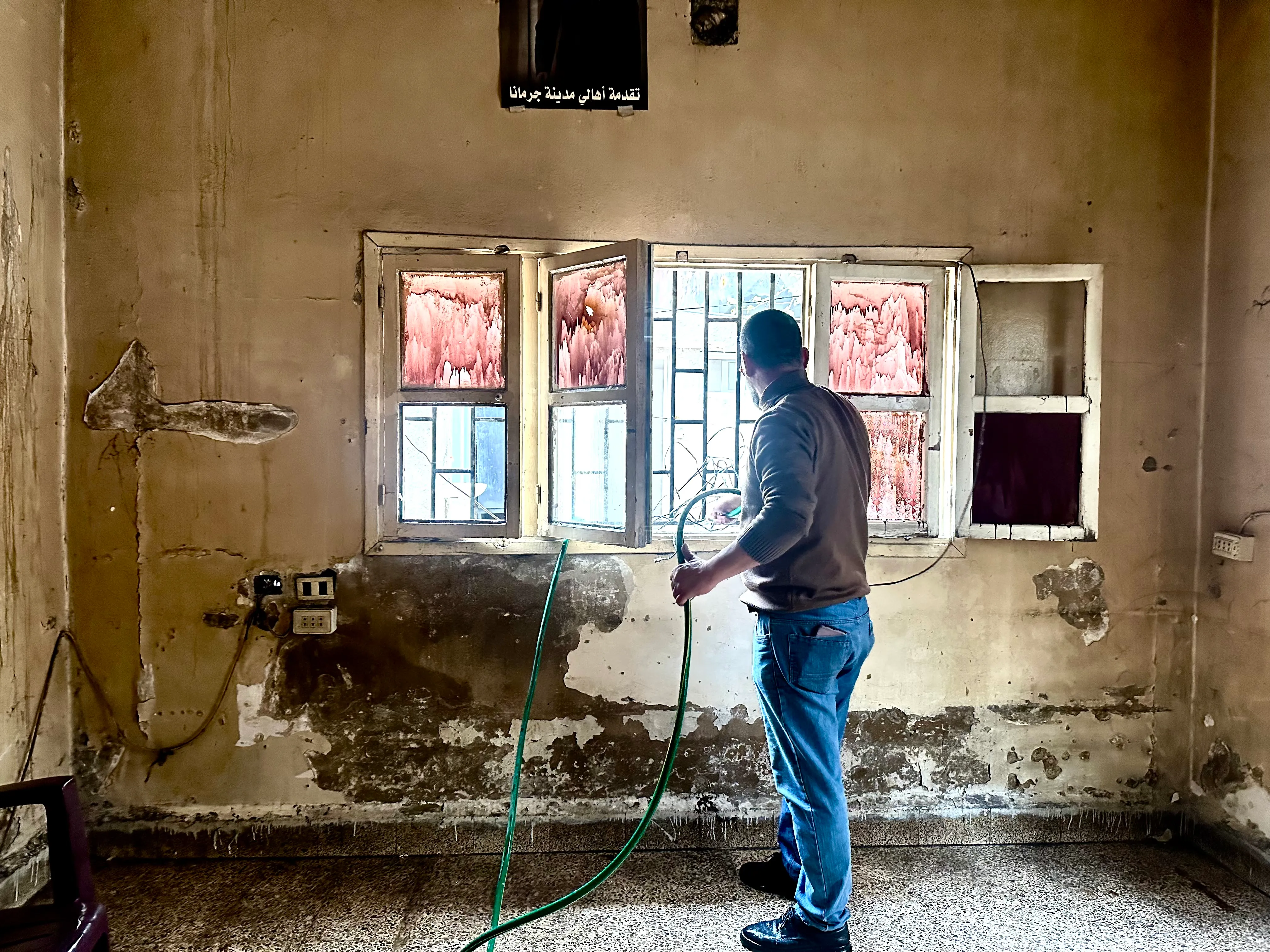
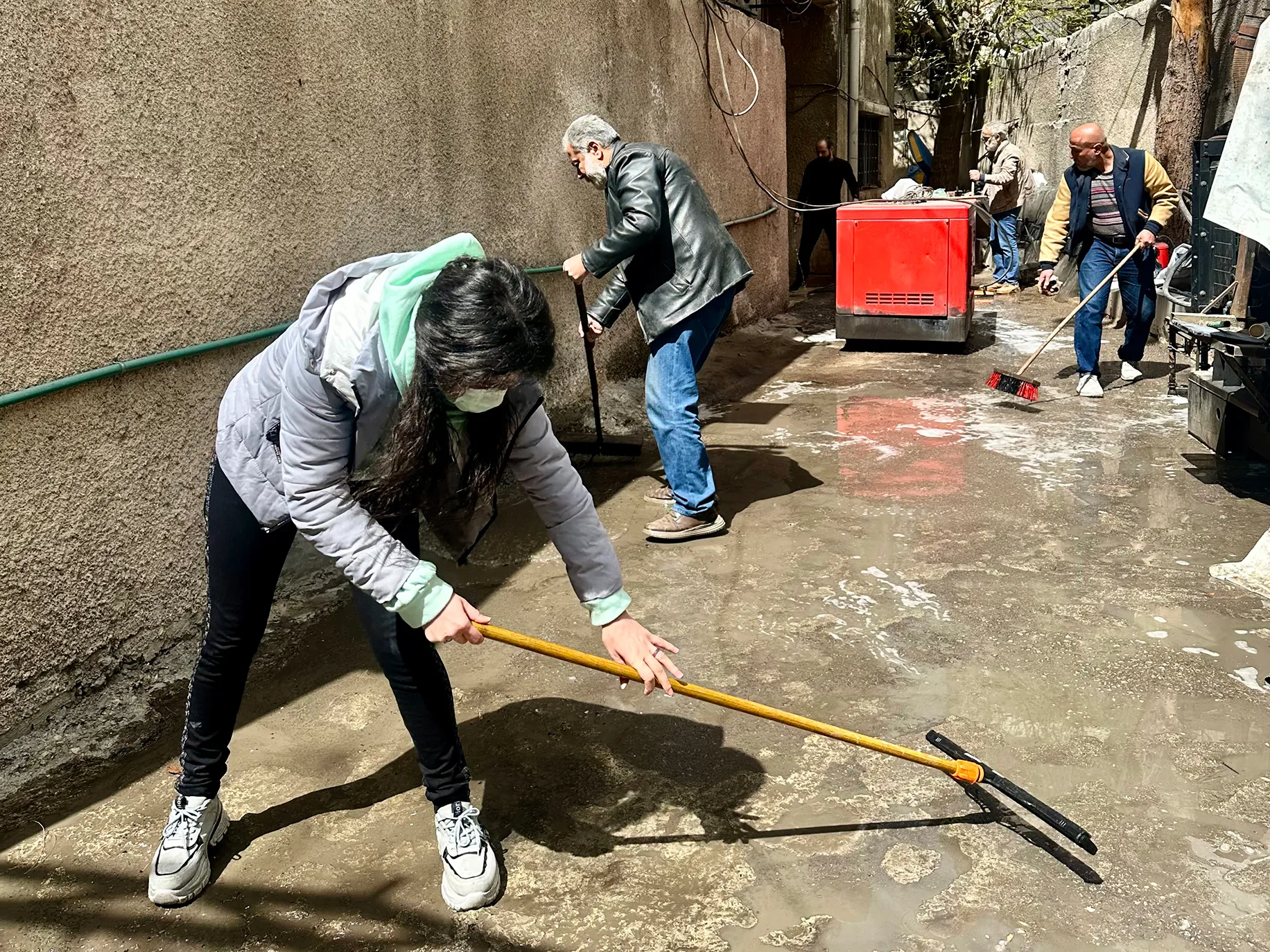
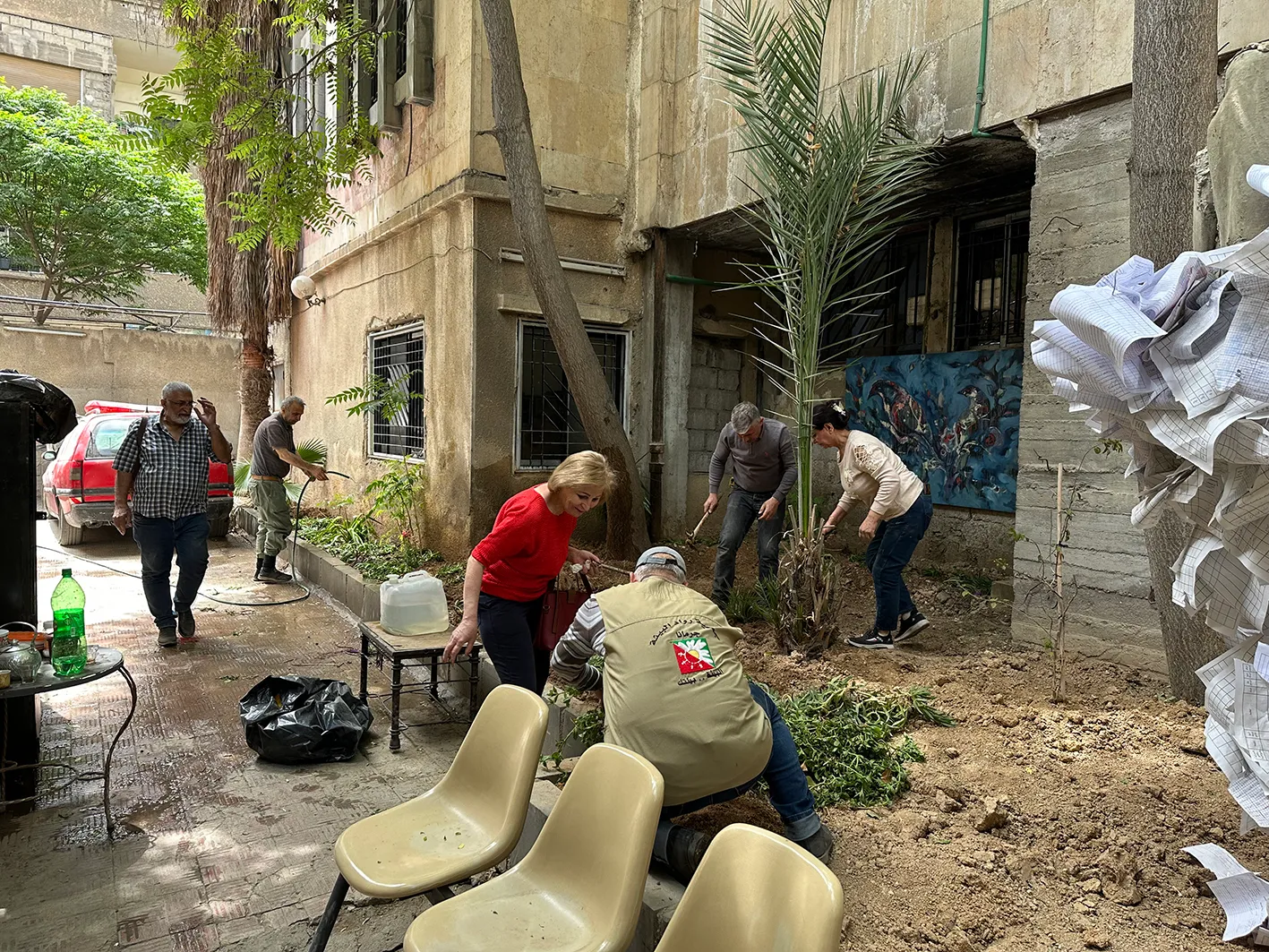
In ancient Greek, the word "pharmakon" has two contradictory meanings: "cure" and "poison." This paradox is at the heart of the exhibition, where the same thing can be both its opposite - a cure and a death, an escape and a weapon. The exhibition utilises this duality to use the Jaramana Drug Control Centre as a temporary art space, with the hope of transforming it into a rehabilitation centre for drug addicts in the future. The artworks invite viewers to enter the murky moral landscape of addiction, where the vast gap between crime and punishment is revealed, embarking on a journey through the contradictions and deep entanglements between power, politics, exploitation, and drugs.
Addiction carries a heavy stigma and distorted perceptions, viewed as a social problem that calls for punishment and law enforcement rather than treatment and assistance. Those caught up in its clutches are held responsible and blamed, while the medical and humanitarian dimensions are neglected. While victims are stigmatised and punished, the true beneficiaries remain unaccountable.
The project challenges this view, emphasising that combating addiction is not limited to developing methods for dealing with it, but rather requires a shift in our perception of it. Therefore, the project seeks to shatter stereotypes about addiction, rejecting the portrayal of users as criminals and highlighting the human nature of those affected by drug use as victims of financial exploitation and oppressive political and social systems. By confronting the reality of the Captagon empire that did not collapse with the fall of the Assad regime, the exhibition seeks to shift the narrative from silence to recognition, from blame to understanding, and from punishment to rehabilitation.
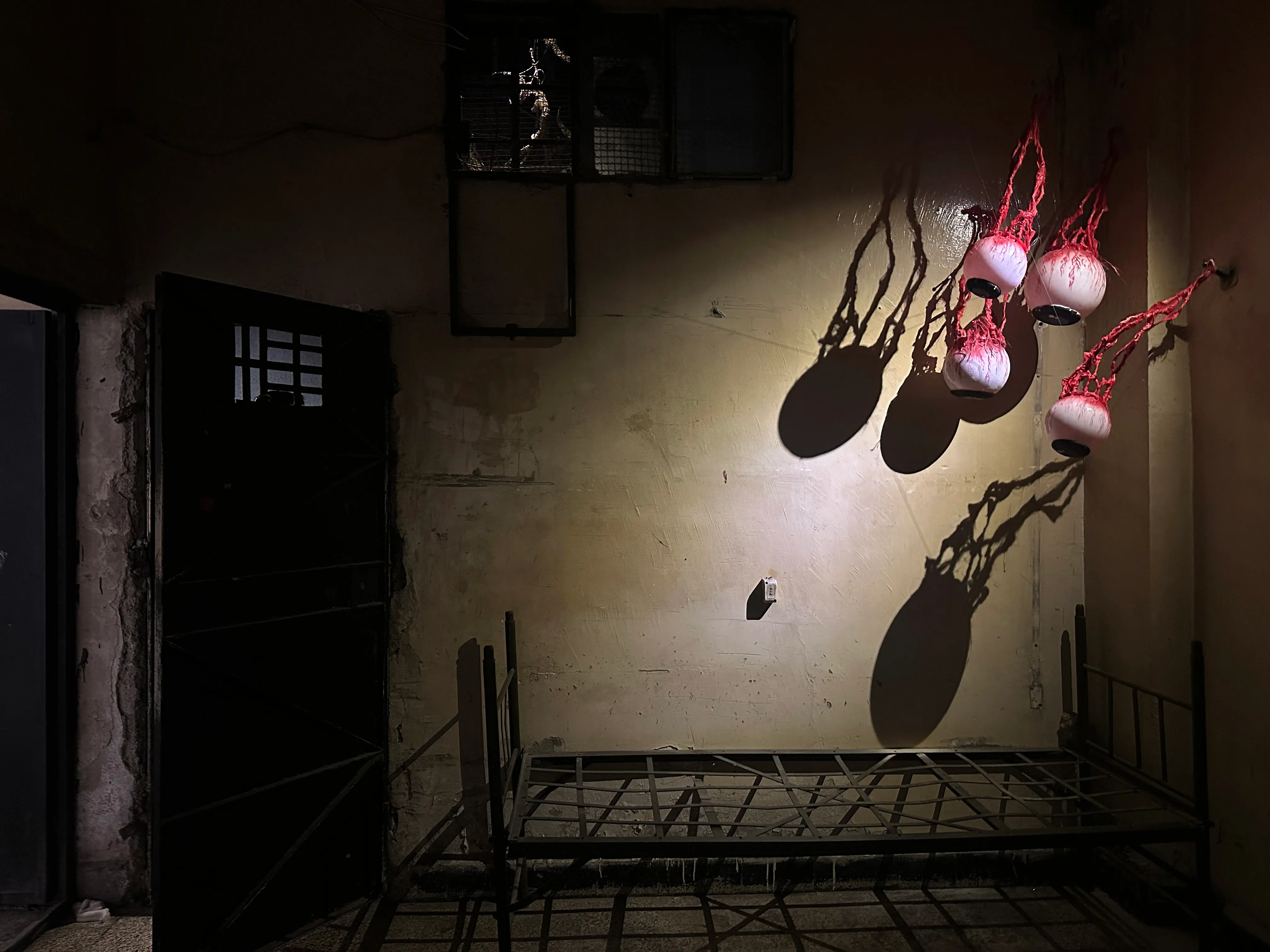
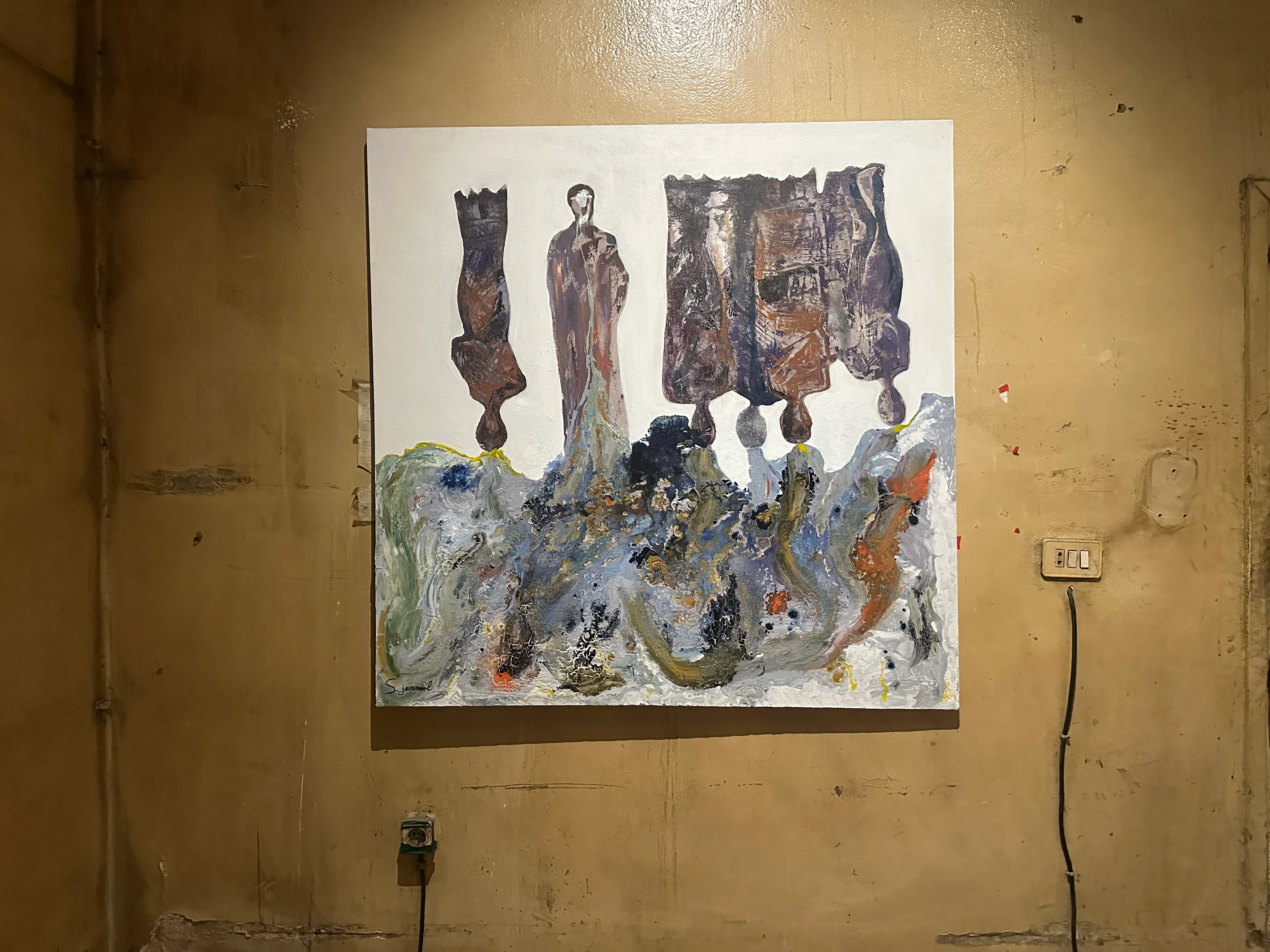
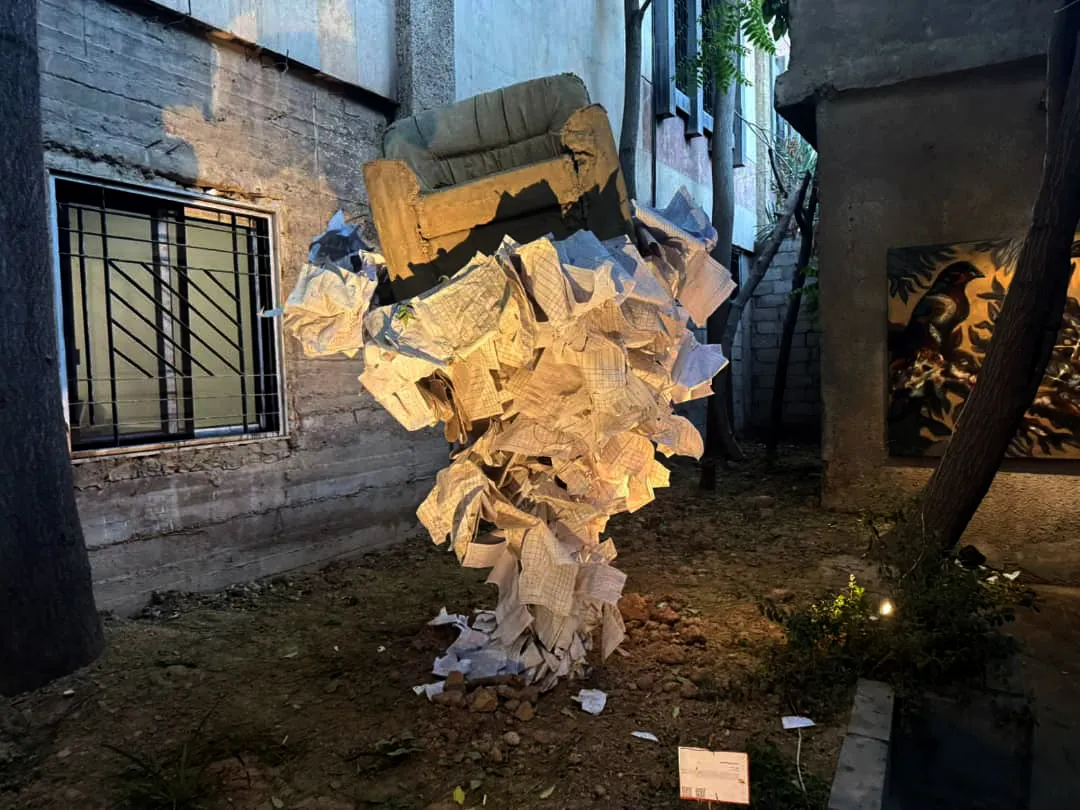
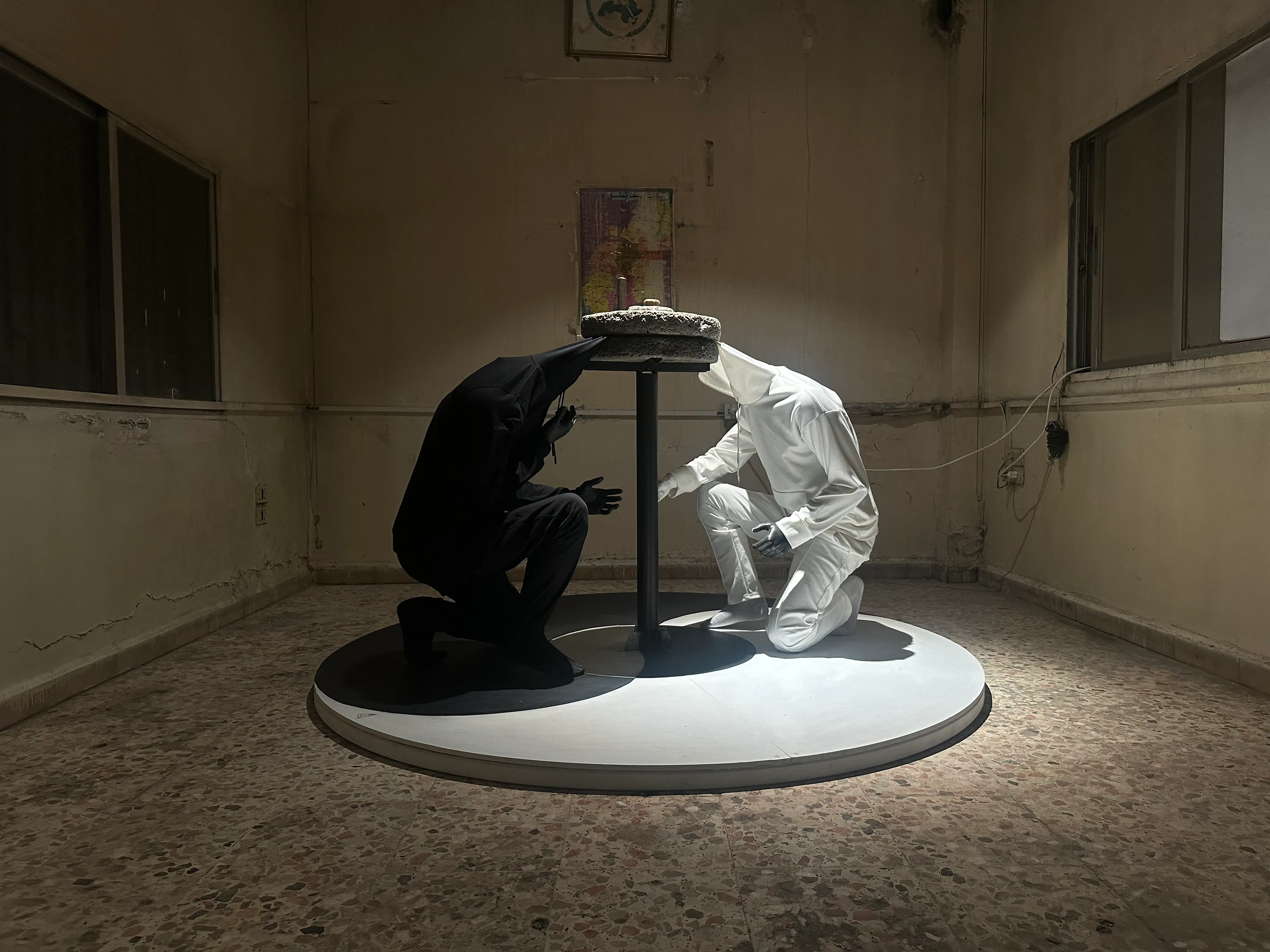
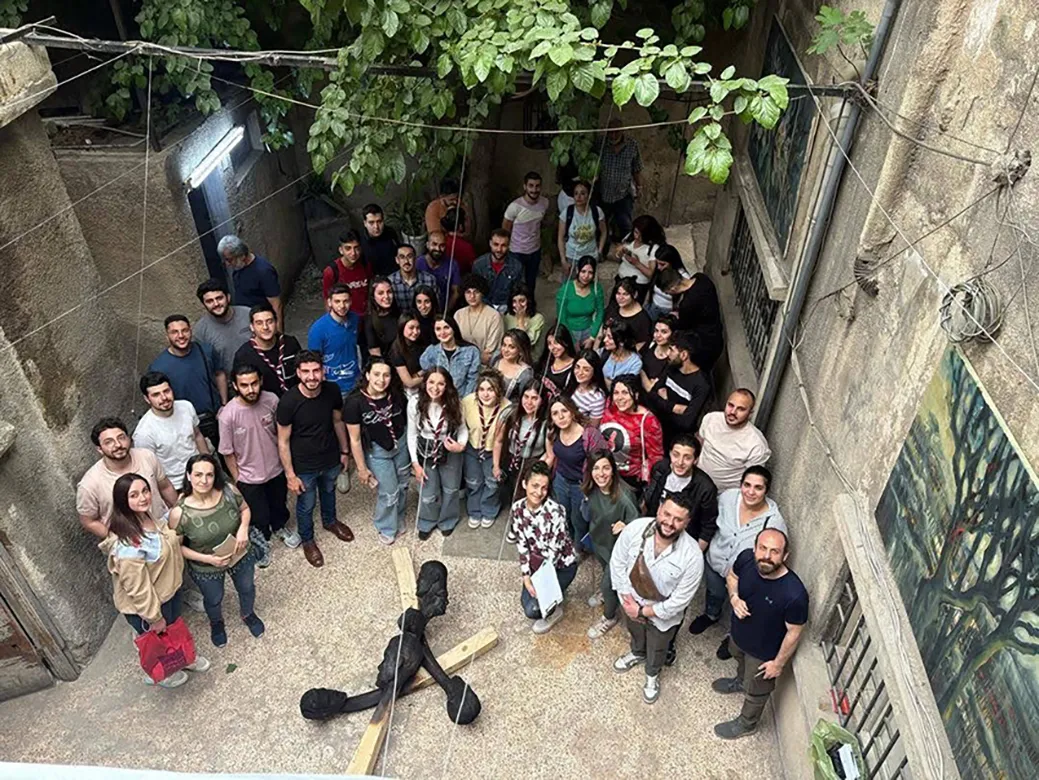
Curated by Khaled Barakeh, the exhibition features works by Alissa Azer, Angie Hamadeh, Baraa Oloum, Bassam Al-Hajili, Barham Al-Awad, Jihan Al-Qattan, Khaled Barakeh, Kholoud Al-Laham, Dareen Al-Shallak, Donia Ayoub, Riyad Al-Shoufi, Rabee Khalil, Rabee Haidar, Ruba Qarqout, Rahaf Reda, Rasha Al-Shoufi, Rawan Zahr El-Din, Roaa Breik Hneidi, Salam Salloum, Suleiman Obeid, Samah Adwan, Sanaa Daoud, Safwan Majoul, Abir Breik Hneidi, Abir Kiwan, Fajr Sheikh Al-Hara, Majed Al-Atrash, Maya Al-Qattan, Majdouline Al-Ali, Marina Al-Mhaithawi, Maisam Al-Ballous, Moheeb Barakeh, Nada Akl, Nader Bakri Badr El-Din, Nour Reda, Nivine Al-Khoury, Nissan Bashir, Hadi Obeid, Lujain Ghneim, Mofida Al-Deyoub, and Wasim Al-Humaidi.